

In the corridors of hospitals worldwide, a silent crisis unfolds daily. Patients arrive seeking care, but many cannot afford the treatment they desperately need. This reality is particularly stark in developing nations, where healthcare systems struggle to balance quality care with accessibility.
At the University of Nigeria Teaching Hospital (UNTH) in Enugu, this challenge is met with compassion and determination through the work of the UNTH Foundation. But the question remains: why is supporting indigent patients—especially children—not just an act of charity, but a moral imperative?
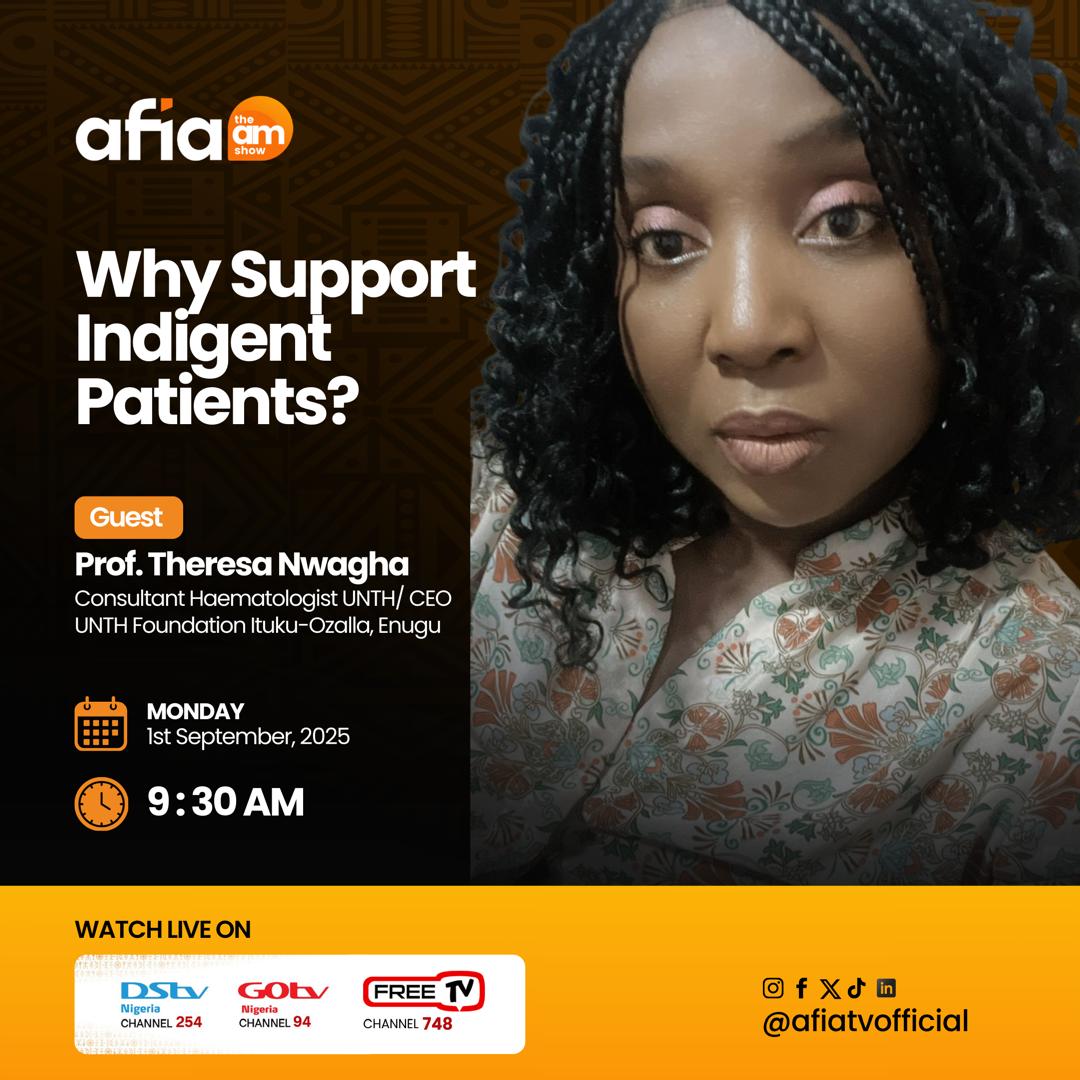
A Conversation with Prof. Theresa Nwagha
To understand the depth of this issue, I spoke with Prof. Theresa Nwagha, a distinguished medical professional whose insights illuminate the human cost of inaccessible healthcare.
“When we see a child who cannot access treatment because of financial constraints, we’re not just witnessing a medical emergency—we’re seeing a failure of our collective moral responsibility.” — Prof. Theresa Nwagha
The Reality of Inaccessible Treatment
Healthcare should be a fundamental right, not a privilege determined by economic status. Yet, across Nigeria and much of the developing world, quality medical care remains out of reach for millions. The statistics are sobering:
- Thousands of patients are turned away from hospitals daily due to inability to pay
- Many treatable conditions become life-threatening due to delayed care
- Families are forced into devastating debt or must choose between treatment and basic survival
This isn’t just about numbers—it’s about human dignity, potential, and the fundamental value we place on life itself.
Why Children Deserve Special Attention
While all indigent patients deserve our support, children hold a special place in this moral equation. They represent:
The Future of Our Society
Every child we save today becomes a potential doctor, teacher, engineer, or leader tomorrow. Investing in their health is investing in our collective future.
Innocence and Vulnerability
Children have no control over their economic circumstances. They are entirely dependent on adult society to provide for their needs, making our obligation to them absolute.
Maximum Impact
Early intervention in childhood health issues often prevents more complex and expensive problems later in life, making support for pediatric indigent care both morally right and economically sound.
The UNTH Foundation’s Mission
The UNTH Foundation stands as a beacon of hope in this challenging landscape. Our mission is clear and unwavering:
To ensure that no patient—regardless of their financial status—is denied quality healthcare at UNTH.
This mission translates into concrete action through:
- Direct Patient Support: Covering medical bills, medications, and procedures for those who cannot afford them
- Infrastructure Development: Improving hospital facilities to serve more patients effectively
- Medical Education: Training the next generation of healthcare professionals
- Community Outreach: Bringing healthcare awareness and basic services to underserved communities
The Moral Imperative: Why We Must Act
Supporting indigent patients isn’t just about charity—it’s about recognizing our shared humanity and moral obligations. Here’s why this support represents a moral imperative:
Human Dignity
Every person deserves to live with dignity, free from the fear that illness will mean financial ruin or death due to inability to pay.
Social Justice
Healthcare access shouldn’t be determined by wealth. Supporting indigent patients helps level the playing field and promotes social equity.
Community Strength
A society that cares for its most vulnerable members is stronger, more resilient, and more cohesive.
Economic Wisdom
Preventive care and early intervention are far more cost-effective than emergency treatment of advanced conditions.
Real Stories, Real Impact
The true measure of our work lies not in statistics, but in the lives we touch. Consider these stories:
Little Amara, a 7-year-old girl, arrived at UNTH with a severe heart condition. Her family had sold everything they owned but still couldn’t afford the surgery. Through the Foundation’s support, Amara received life-saving treatment and is now a healthy, vibrant child with dreams of becoming a doctor.
Mr. Okechukwu, a father of four, was diagnosed with a treatable condition that would have been fatal without intervention. The Foundation’s support not only saved his life but preserved a family’s stability and future.
These aren’t just success stories—they’re testimonies to what becomes possible when we recognize and act upon our moral obligations to one another.
How You Can Make a Difference
The moral imperative to support indigent patients becomes meaningful only when it translates into action. Here’s how you can be part of this vital mission:
Join the Movement
- Make a Donation: Every contribution, no matter the size, directly impacts a patient’s life
- Adopt a Ward: Sponsor ongoing care for multiple patients through ward adoption
- Volunteer: Offer your time and skills to support our programs
- Spread Awareness: Share our mission with your network and help us reach more potential supporters
- Corporate Partnership: Engage your organization in meaningful corporate social responsibility
A Call to Conscience
As we conclude this reflection on the moral imperative to support indigent patients, we must ask ourselves: What kind of society do we want to be? One that turns away from suffering because it’s inconvenient or expensive? Or one that recognizes that our humanity is measured by how we treat the most vulnerable among us?
“The true measure of any society can be found in how it treats its most vulnerable members.”— Mahatma Gandhi
The choice is ours. Every day, we can choose compassion over indifference, action over apathy, hope over despair. The UNTH Foundation provides a concrete way to make that choice meaningful.
Supporting indigent patients—children and adults alike—isn’t just about healthcare. It’s about affirming our shared values, strengthening our communities, and building a future where everyone has the opportunity to live with dignity and hope.
The Time to Act is Now
Every moment we delay, another patient suffers. Every day we wait, another family faces an impossible choice. The moral imperative is clear—the question is whether we’ll answer the call.
Together, we can ensure that healthcare becomes a right, not a privilege. Together, we can build a world where no one suffers in silence because they cannot afford care. Together, we can answer the moral imperative of our time.